
Who we are
Slavic People
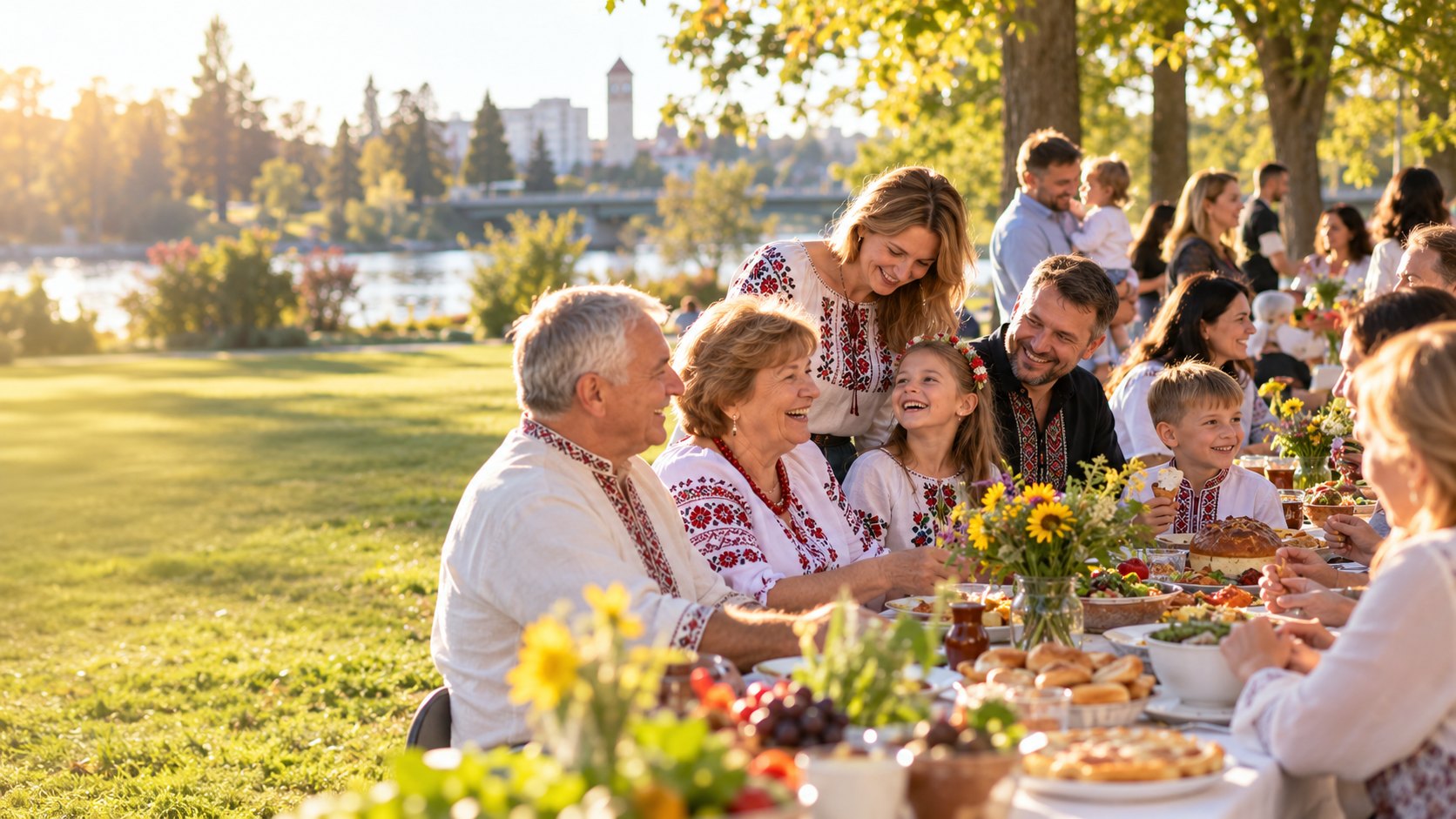
Many Nations. Many Cultures. Shared Connections.
The term Slavic describes a large and diverse group of peoples connected primarily through related languages and shared historical and cultural roots.
Slavic people are not one nationality, one culture, or one community. They represent many countries, languages, traditions, religions, histories, and identities across Central, Eastern, and Southeastern Europe—and communities around the world.
Spokane Slavic Association was created from within this diverse community.
Three branches, one family
Who Are the Slavic People?
Slavic peoples are commonly grouped into three broad linguistic and cultural branches.
These communities share related East Slavic languages while maintaining their own national identities, histories, traditions, and cultures.
West Slavic peoples are primarily associated with Central Europe and speak languages belonging to the West Slavic branch.
South Slavic communities are concentrated primarily in Southeastern Europe and the Balkans and represent a wide range of cultural, national, linguistic, and religious traditions.
Together, Slavic peoples represent one of Europe's largest ethnolinguistic groups.
Beyond Borders and Stereotypes
The word Slavic is sometimes incorrectly associated with a single country, nationality, or language.
In reality, the Slavic world is remarkably diverse.
Russian is one of the most widely spoken Slavic languages, but it is only one of many. Ukrainian, Polish, Czech, Slovak, Bulgarian, Serbian, Croatian, Slovenian, Belarusian, Macedonian, Bosnian, Montenegrin, and other Slavic language varieties reflect distinct communities and histories.
Being Slavic does not replace someone's national identity.
A Ukrainian, Pole, Bulgarian, Czech, Serbian, or other Slavic person may identify strongly with their own country, culture, region, language, and traditions while also sharing broader linguistic or cultural connections with other Slavic peoples.
Right here in Spokane County
The Slavic Community in Spokane County
60,000+
Slavic people living in Spokane County
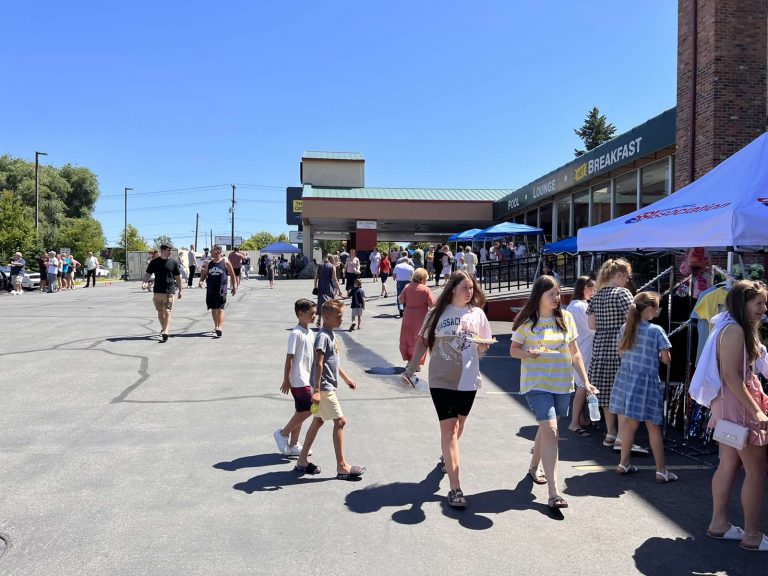
Spokane County is home to one of the largest Slavic communities in the region. The community includes people whose families have lived in the United States for generations as well as immigrants and newcomers who have arrived more recently.
People from Ukraine, Russia, Belarus, Poland, Bulgaria, Serbia, Bosnia and Herzegovina, North Macedonia, and other parts of the Slavic world have made the Spokane area their home. The broader community also includes people from neighboring Eastern European and Eurasian countries and multilingual communities that share cultural, family, historical, or linguistic connections with Slavic populations.
Together, these communities contribute to the diversity and character of the Inland Northwest.
A community that contributes
Not Just People Who Need Assistance
The Slavic community is not defined only by the people who need assistance.
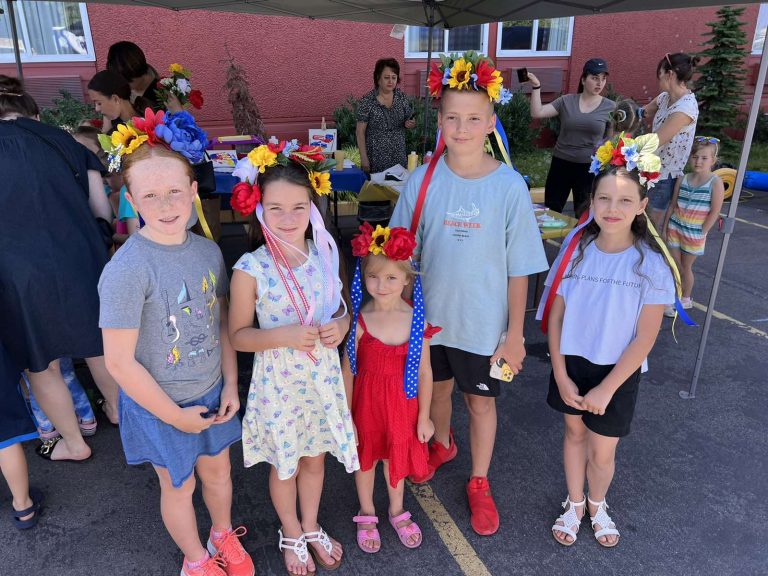
It includes business owners, employees, healthcare professionals, tradespeople, educators, entrepreneurs, parents, students, volunteers, faith communities, nonprofit leaders, and professionals across many industries.
Slavic-owned businesses create jobs and provide services throughout the region. Churches and community organizations build networks of support. Volunteers contribute their time to local causes. Families establish roots, purchase homes, raise children, and participate in schools and neighborhoods across Spokane County.
Newcomers bring additional skills, experiences, cultures, and perspectives while established community members help create connections between generations and between newer arrivals and the broader Spokane community.
This combination makes the Slavic community an important part of the social, cultural, and economic life of the region.
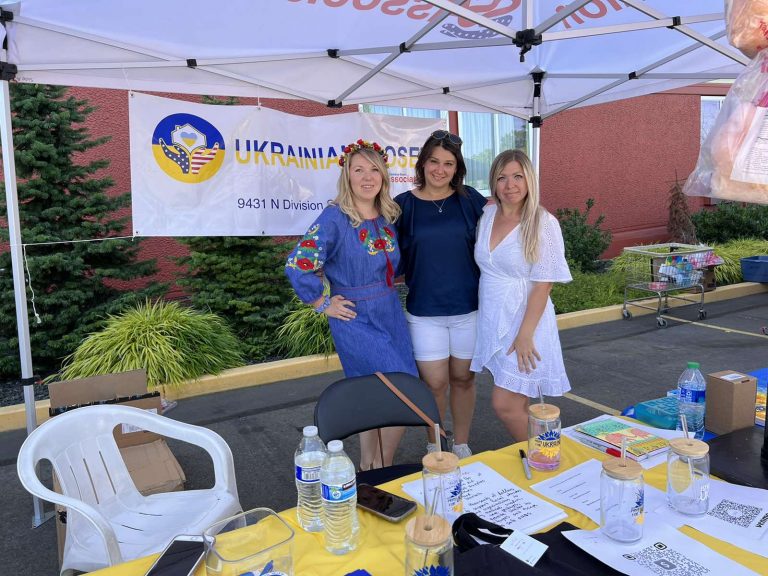
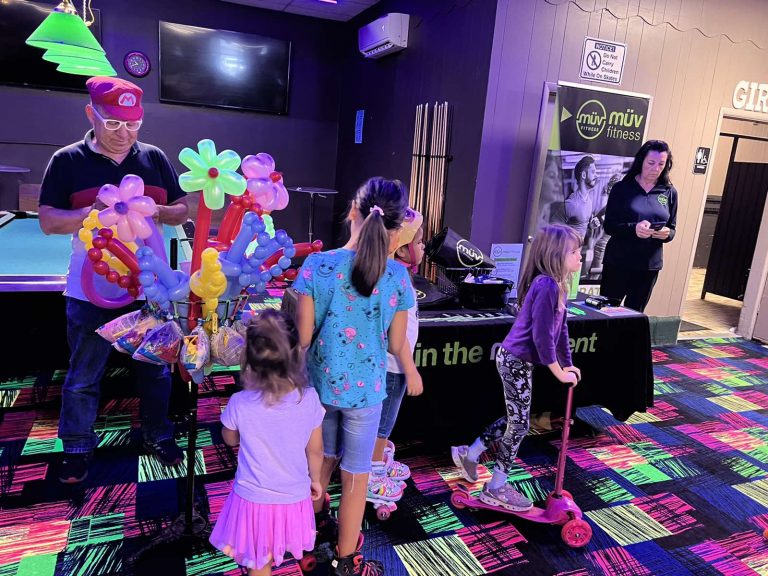
Different Languages. Different Experiences.
Although Slavic languages share historical roots, they are distinct languages.
Speaking one Slavic language does not necessarily mean someone can understand another.
The same is true of people's experiences.
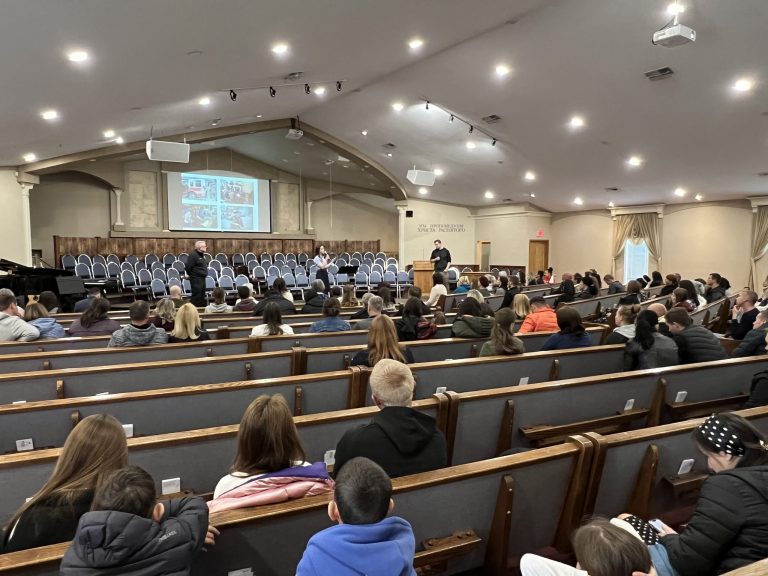
Some community members were born in the United States. Others immigrated decades ago. Some arrived recently as immigrants or refugees. Some speak English fluently, while others are still learning. Some maintain strong connections with their country of origin, while others primarily identify with their life in the United States.
There is no single "Slavic experience."
Understanding these differences helps SSA respond to people as individuals rather than treating a diverse community as one group.
Preserving heritage
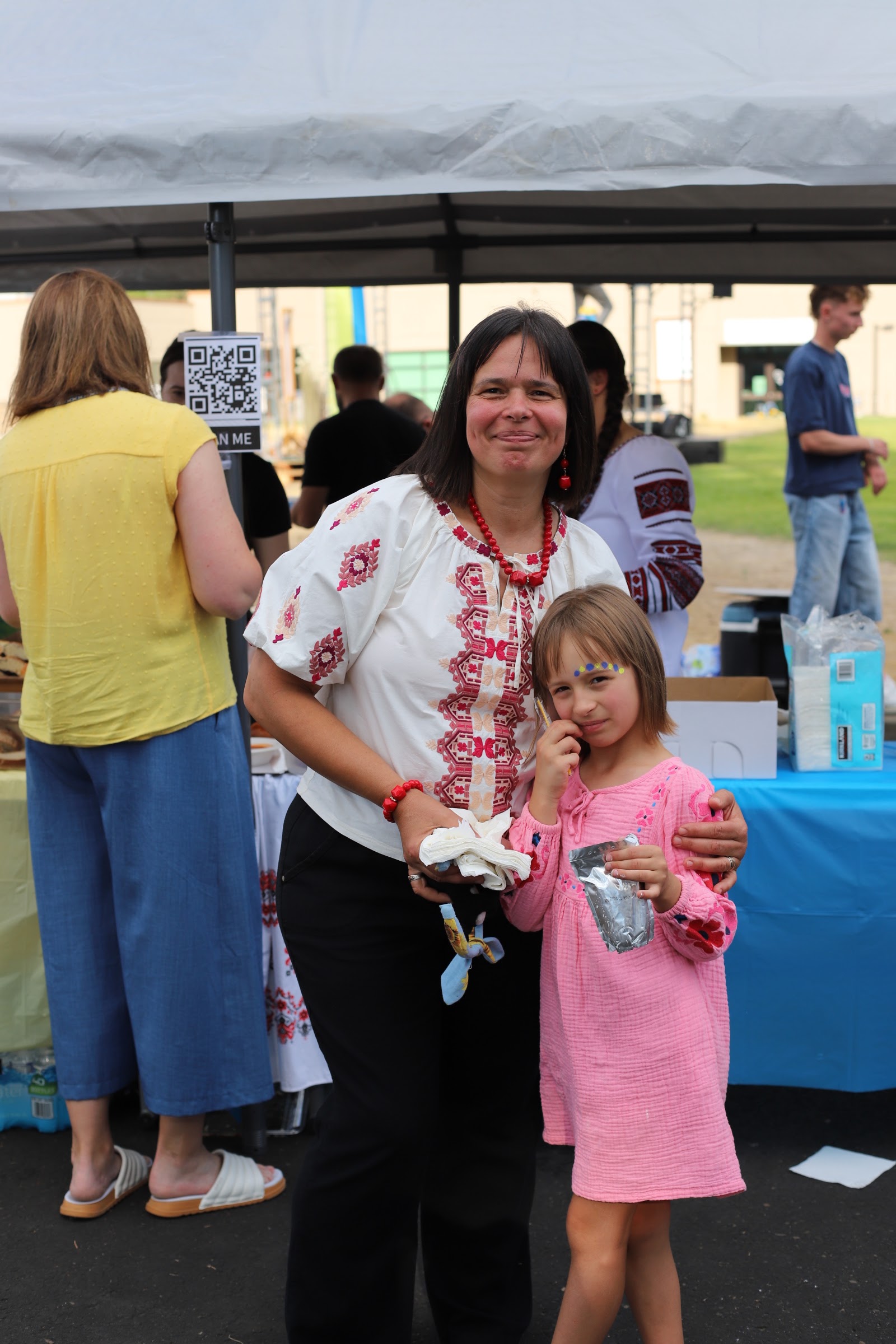
Preserving Heritage While Building a Future
For many families, becoming part of American society does not mean leaving their heritage behind.
Language, food, music, traditions, holidays, stories, and family connections can remain important parts of people's identities while they build their lives in the United States.
Children and younger generations often grow up navigating both worlds—participating fully in American schools and communities while maintaining connections to the language and traditions of their families.
SSA believes these identities can exist together. Cultural heritage can be preserved and celebrated while individuals and families build new relationships, pursue opportunities, and contribute to the broader community.
Why "Spokane Slavic Association"?
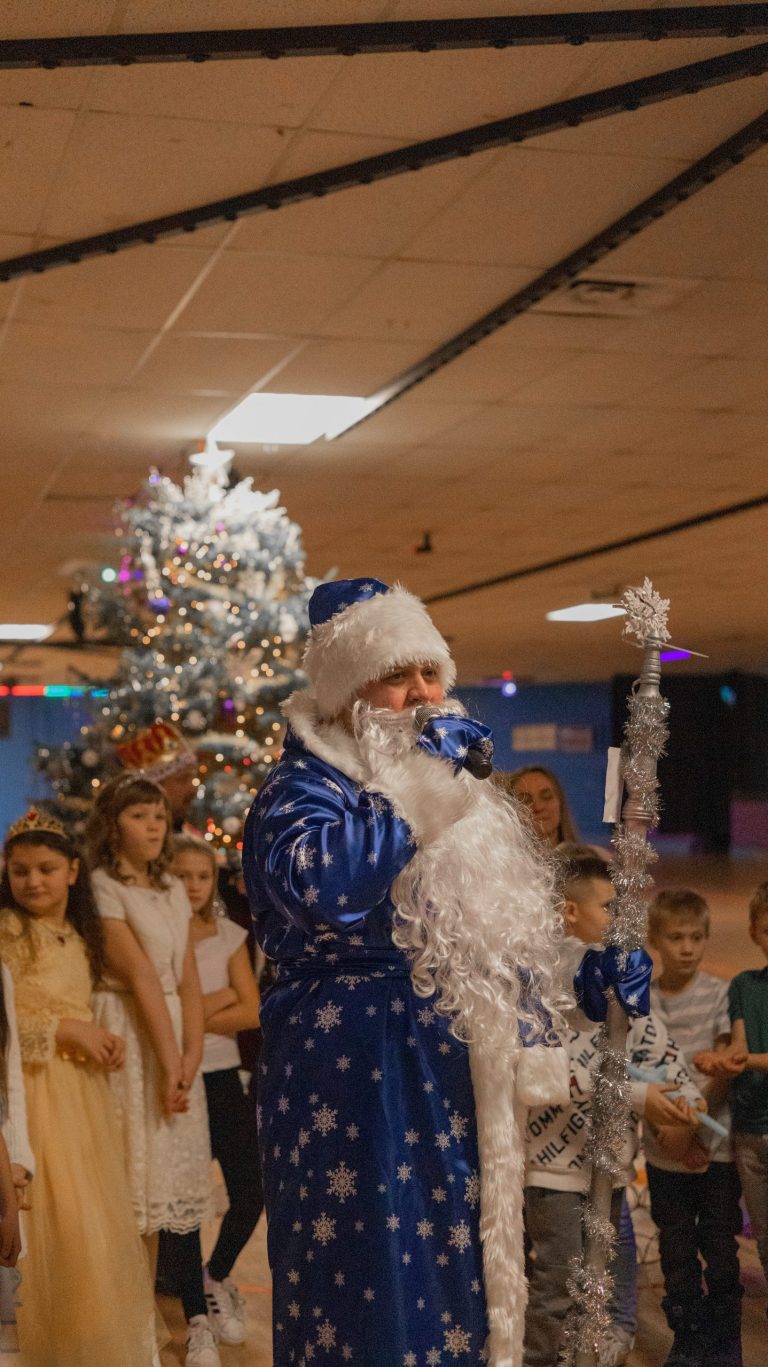
Spokane Slavic Association was created from within Spokane's Slavic community.
Our name reflects those roots and our continuing connection with the people, cultures, languages, businesses, organizations, and community networks that helped shape SSA.
At the same time, "Slavic" does not mean exclusive.
SSA works with people and organizations across many backgrounds, and our services and opportunities are open to everyone, subject to eligibility requirements that may apply to individual programs or funding sources.
Our Slavic identity describes where we come from—not a boundary around whom we can serve.

Building Bridges
SSA's role is not only to strengthen connections within the Slavic community.
We also work to build connections between the Slavic community and the broader Spokane region.
That means creating opportunities for collaboration among community members, businesses, nonprofits, schools, healthcare organizations, government agencies, foundations, faith communities, and other partners.
It also means helping people understand one another better.
Strong communities do not require everyone to have the same background. They are built when different people have opportunities to participate, contribute, connect, and succeed together.
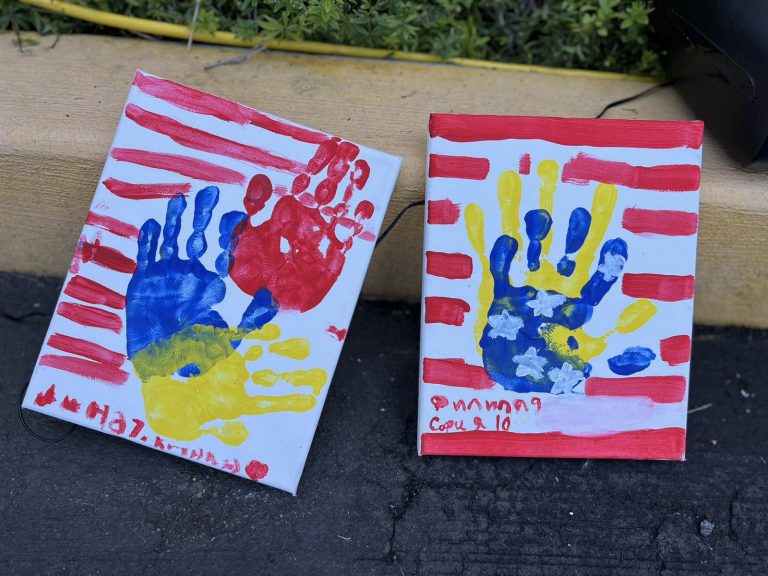
Rooted in the Slavic Community. Open to Everyone.
Our history and identity are connected to Spokane's Slavic community, but our work is not limited by ethnicity, nationality, language, or country of origin. Whether you are looking for resources, interested in volunteering, growing a business, representing an organization, exploring partnership opportunities, or simply learning more about our community, there is a place to connect with SSA.