
Our story
Our Story: Ukrainian Closet
Where It All Began
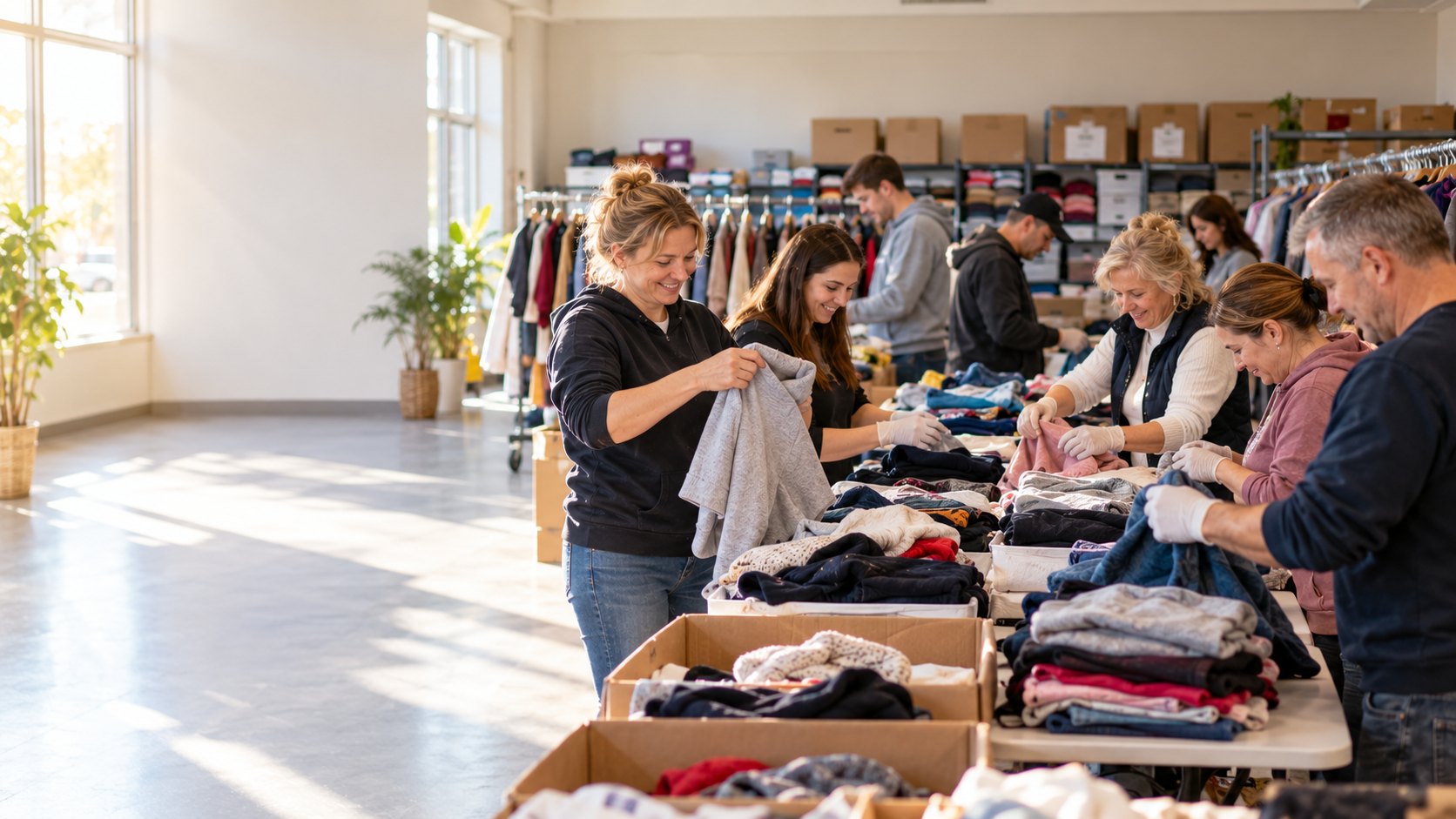
Before Spokane Slavic Association became the organization it is today, there was Ukrainian Closet.
It started with a simple idea: collect clothing and essential items from people who had something to give and make them available to families who needed them.
There was no complicated model behind it.
There was a need in the community—and people willing to help.
That simple effort became the beginning of something much larger.
From donations to community
A Point of Connection
Ukrainian Closet created a place where donated clothing, shoes, household items, and other essentials could find a new home instead of going to waste.
Community members donated. Volunteers sorted and organized items. Families came when they needed assistance. But something else began happening at the same time.
People talked. They asked questions. They shared challenges. They learned about other resources. Volunteers built relationships with the people coming through the doors. Community members learned about opportunities to help one another.
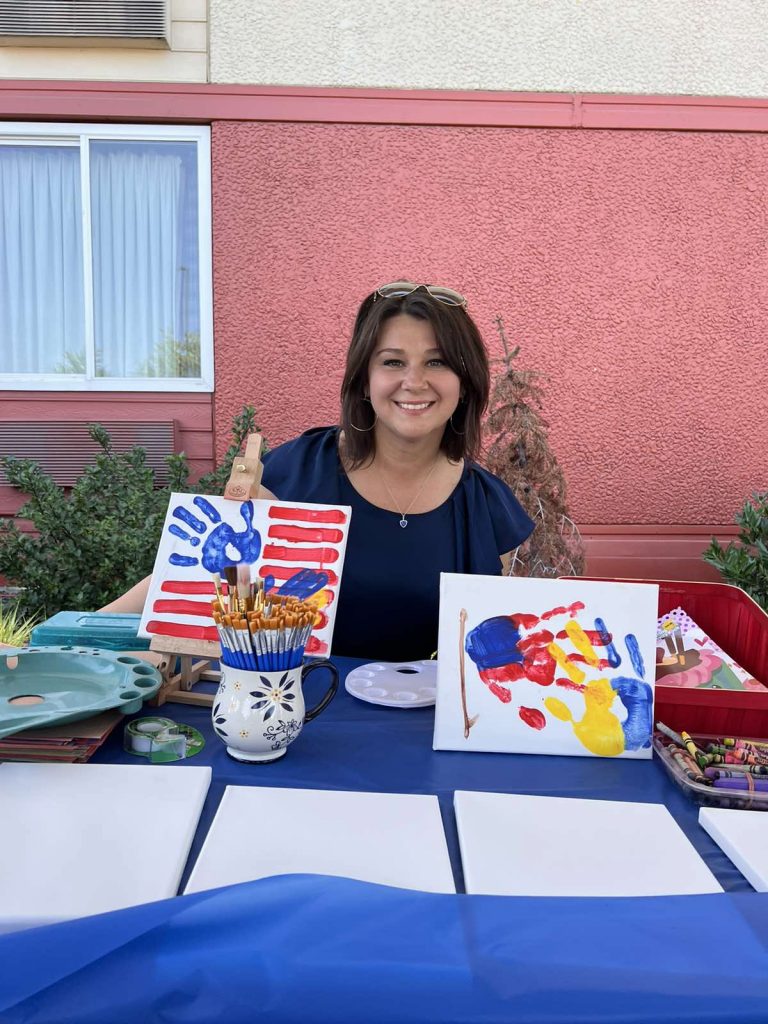
Ukrainian Closet was becoming more than a place to receive clothing. It was becoming a point of connection.
Listening to What People Needed
As more people came through Ukrainian Closet, it became increasingly clear that the need for clothing was often only the beginning of the conversation.
A person might come looking for a winter coat but also be searching for employment.
A family receiving household items might not know where to find another community service they needed.
A newcomer might need help understanding a document, communicating with an organization, or navigating an unfamiliar system.
Parents might be looking for activities for their children. Someone with professional experience might be looking for a way to volunteer. An entrepreneur might need information or connections to help build a business.
These conversations helped SSA understand something important:
People's needs and opportunities are connected.
Providing an essential item could solve an immediate problem. But helping someone move forward often required connections to information, people, resources, and opportunities beyond that immediate need.
Growing with the community
Growing With the Community
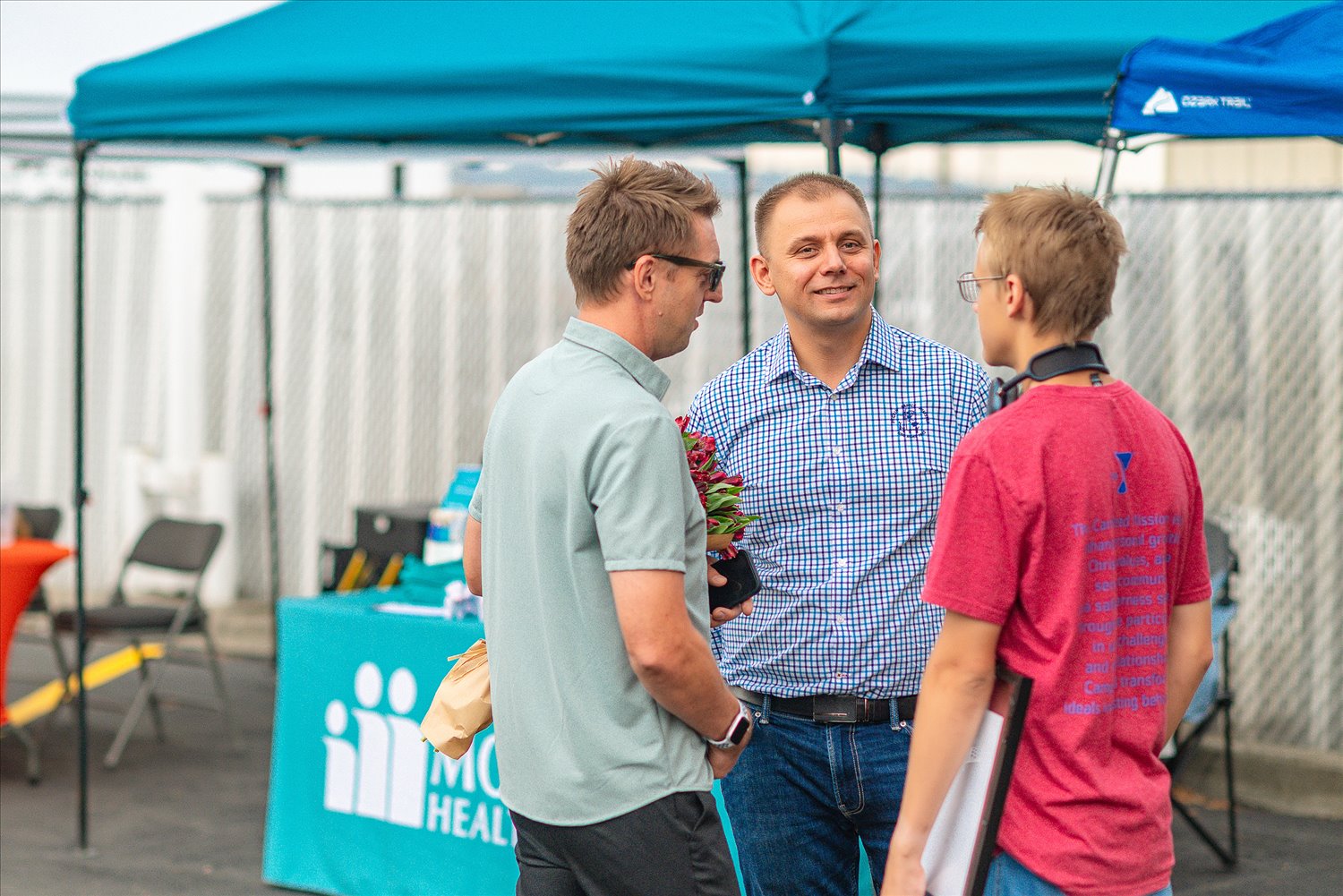
As community needs changed, SSA changed with them.
What began with donated items gradually expanded into resource navigation, community assistance, employment-related support, business development, youth and family activities, community events, outreach, and partnerships with other organizations.
SSA did not grow because the goal was simply to create more programs. It grew because the people coming through our doors showed us that community needs rarely fit into one category.
The organization began building connections between those needs and the resources and opportunities available throughout the Spokane area.
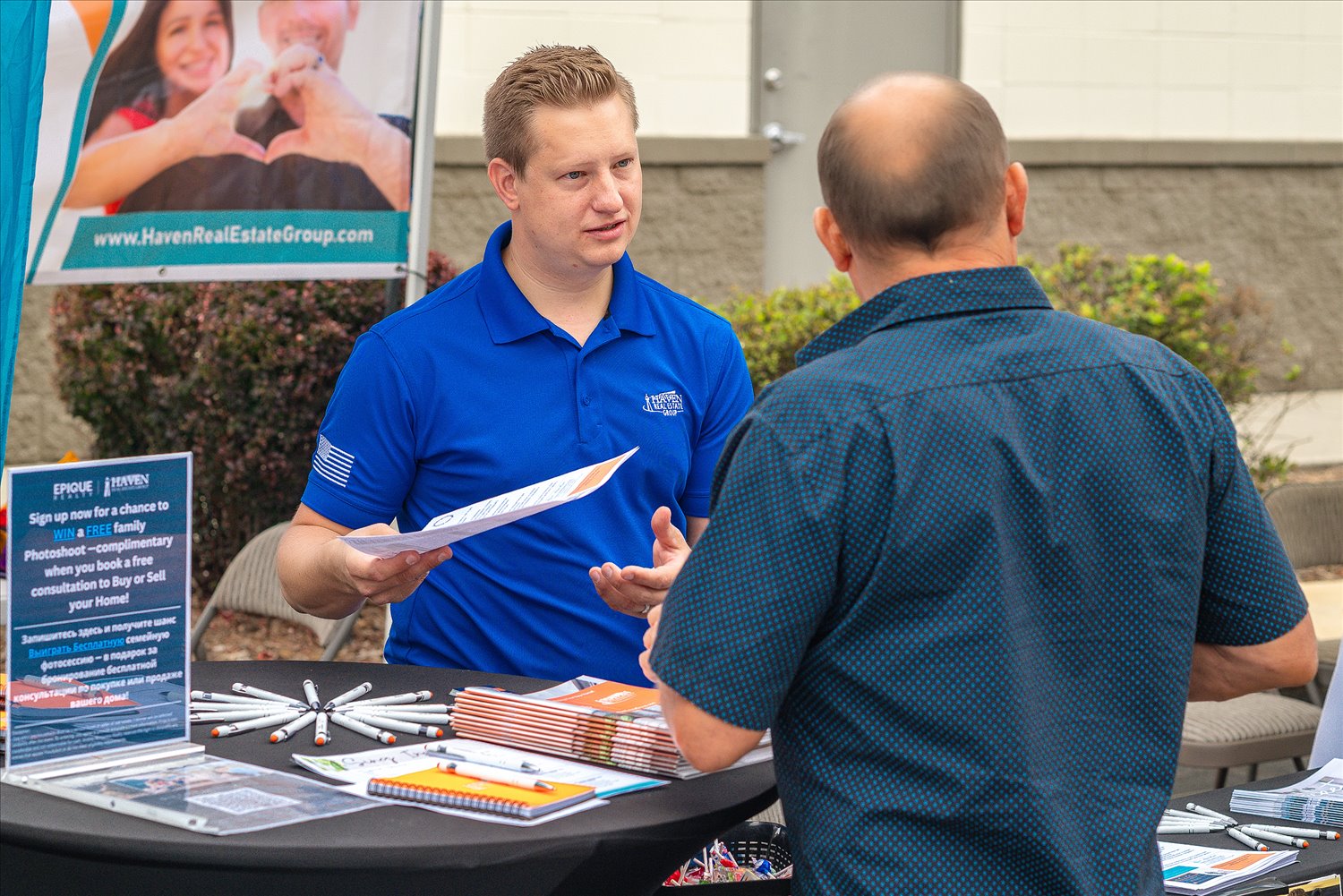
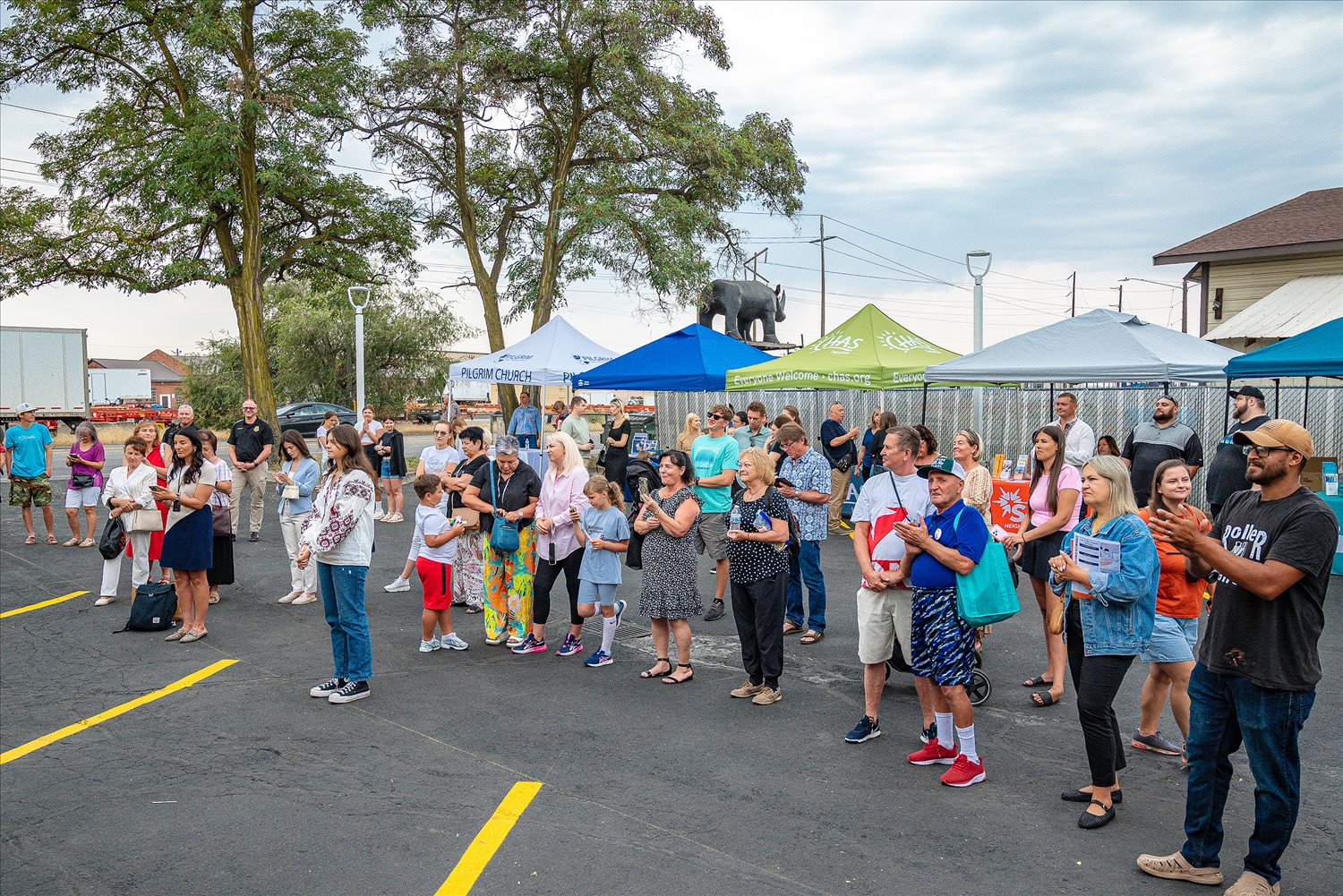
What Ukrainian Closet became
From Ukrainian Closet to the International Resource Center
As the work expanded, the original Ukrainian Closet model evolved.
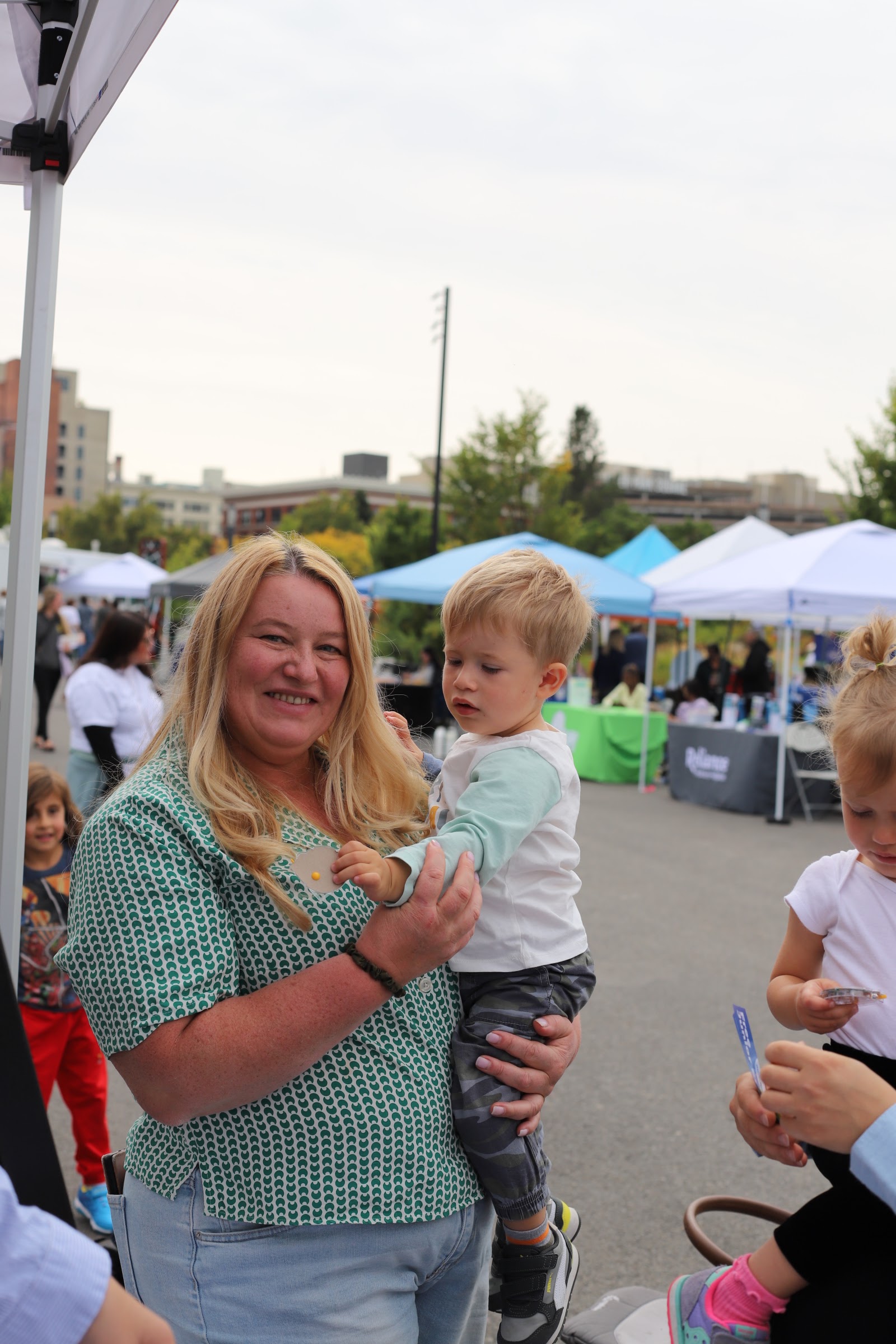
Today, that work continues through the International Resource Center, which serves as an important entry point into Spokane Slavic Association. The Center continues the original tradition of receiving donated clothing and household items and making them available to people who need them.
But its role is broader. People coming to the International Resource Center may also be connected with resource navigation, community assistance, language and document services, food resources when available, SSA programs, and services provided by community partners.
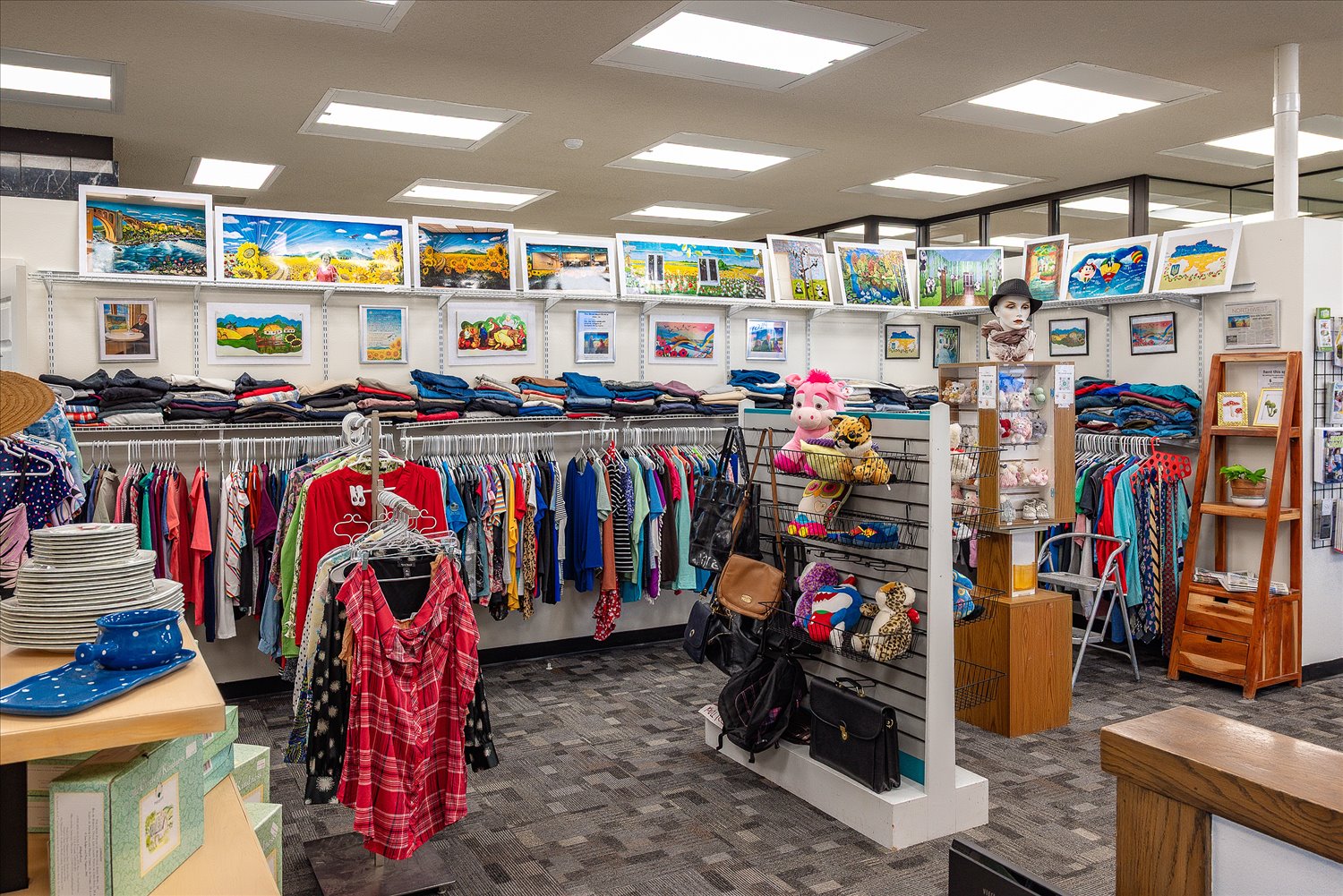
The name changed because the role of the Center had changed. Ukrainian Closet was where we started. The International Resource Center represents what that idea became.
One idea, five pathways
One Idea Became Five Pathways
The lessons learned through Ukrainian Closet continue to influence how SSA operates today. A person may first connect with SSA because of an immediate need—but that does not have to be where the relationship ends.
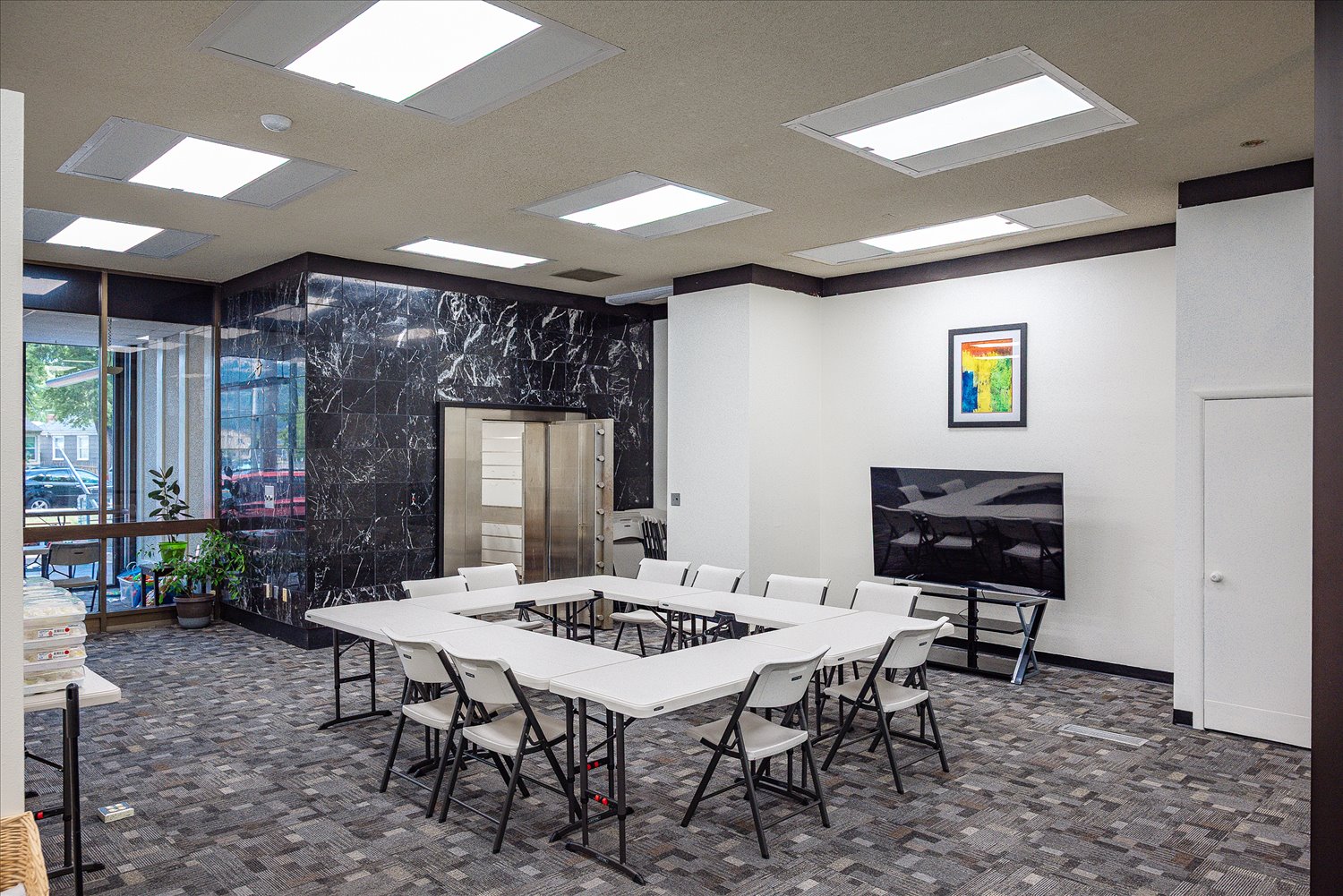
Today, SSA organizes its work through five strategic pillars:
-
International Resource Center & Community Services
Meeting immediate needs and connecting people with resources.
-
Workforce & Economic Mobility
Creating pathways toward employment and greater economic stability.
-
Business Development Center
Helping entrepreneurs and businesses learn, connect, and grow.
-
Youth & Family Engagement
Creating opportunities for children, youth, women, and families.
-
Communications & Community Engagement
Connecting people through information, outreach, stories, events, and community participation.
Different areas of SSA may serve different needs, but they are connected by the same idea that began with Ukrainian Closet: start where the person is—and help create a pathway toward what comes next.
Built by People Who Chose to Help
The Ukrainian Closet story is also a story about volunteers, donors, businesses, organizations, and community members.
People donated clothing and household items. Volunteers spent countless hours receiving, sorting, organizing, moving, and distributing those donations.
Businesses and organizations provided resources and support. Community members shared information and helped connect people with opportunities.
Every contribution helped transform a simple grassroots effort into something the community could rely on.
That spirit of participation continues to be part of SSA today.
The Name Changed. The Purpose Grew.
Ukrainian Closet will always be an important part of Spokane Slavic Association's history.
It represents where we started: people seeing a need and choosing to respond.
Today, SSA is larger, its community is broader, and the opportunities we are working to create extend far beyond donated clothing.
But the principle behind the original Ukrainian Closet remains:
Make resources accessible. Connect people. Create opportunities. Help the community move forward.
That idea continues to shape what Spokane Slavic Association is becoming.
Our Story Is Still Being Written
What started with donated clothing became a Resource Center. The Resource Center became a doorway to other services and opportunities. And those connections helped shape an organization working across community support, employment, entrepreneurship, families, and community engagement. We are proud of where we started—and excited about where our community can go next.